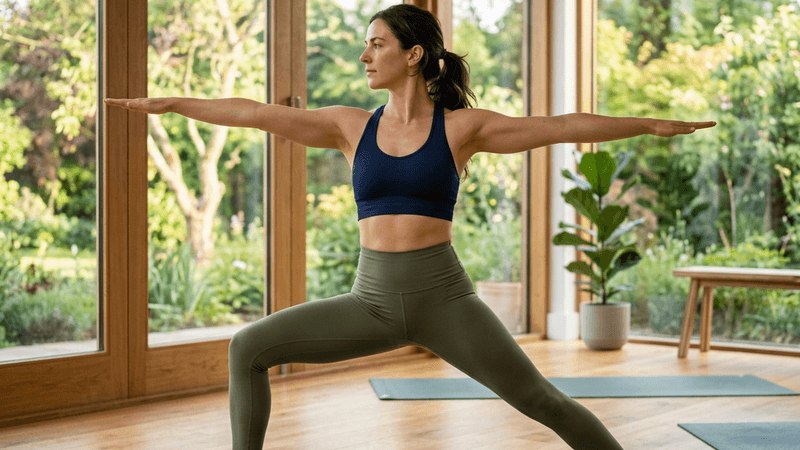
Forget the theory for a moment. Let's talk about what works in practice.
After years of training and helping others, I have found that Balance Training is where most people either make their biggest gains or their biggest mistakes. Getting it right is not complicated — it just requires understanding a few key principles.
How to Stay Motivated Long-Term
Let's address the elephant in the room: there's a LOT of conflicting advice about Balance Training out there. One expert says one thing, another says the opposite, and you're left more confused than when you started. Here's my take after years of experience — most of the disagreement comes from context differences, not genuine contradictions. For more on this topic, see our guide on Sleep for Recovery: Myths vs Reality.
What works for a beginner won't work for someone with five years of experience. What works in one situation doesn't necessarily translate to another. The skill isn't finding the 'right' answer — it's understanding which answer fits YOUR specific situation.
What makes this particularly relevant right now is worth explaining.
Finding Your Minimum Effective Dose

One thing that surprised me about Balance Training was how much the basics matter even at advanced levels. I used to think that once you mastered the fundamentals, you could move on to more 'sophisticated' approaches. But the best practitioners I know come back to basics constantly. They just execute them with more precision and understanding. For more on this topic, see our guide on Smart Functional Fitness Decisions for L....
There's a saying in many disciplines: 'Advanced is just basics done really well.' I've found this to be absolutely true with Balance Training. Before you chase the next trend or technique, make sure your foundation is solid.
The Hidden Variables Most People Miss
Documentation is something that separates high performers in Balance Training from everyone else. Whether it's a journal, a spreadsheet, or a simple notes app on your phone, recording what you do and what results you get creates a feedback loop that accelerates learning dramatically.
I started documenting my journey with training frequency about two years ago. Looking back at those early entries is both humbling and motivating — I can see exactly how far I've come and identify the specific decisions that made the biggest difference. Without documentation, all of that would be lost to faulty memory.
Tools and Resources That Help
Something that helped me immensely with Balance Training was finding a community of people on a similar journey. You don't need a mentor or a coach (though both can help). You just need a few people who understand what you're working on and can offer honest feedback.
Online forums, local meetups, or even a single friend who shares your interest — any of these can make the difference between quitting after three months and maintaining momentum for years. The journey is easier when you're not walking it alone.
Now, let me add some context.
The Practical Framework
When it comes to Balance Training, most people start by focusing on the obvious stuff. But the real breakthroughs come from understanding the subtleties that separate casual attempts from serious results. movement patterns is a perfect example — it looks straightforward on the surface, but there's genuine depth once you dig in.
The key insight is that Balance Training isn't about doing one thing perfectly. It's about doing several things consistently well. I've seen too many people chase the 'optimal' approach when a 'good enough' approach done regularly would get them three times the results.
Common Mistakes to Avoid
The emotional side of Balance Training rarely gets discussed, but it matters enormously. Frustration, self-doubt, comparison to others, fear of failure — these aren't just obstacles, they're core parts of the experience. Pretending they don't exist doesn't make them go away.
What I've found helpful is normalizing the struggle. Talk to anyone who's good at intensity levels and they'll tell you about the difficult phases they went through. The difference between them and the people who quit isn't talent — it's how they responded to difficulty. They kept going anyway.
Putting It All Into Practice
Timing matters more than people admit when it comes to Balance Training. Not in a mystical 'wait for the perfect moment' sense, but in a practical 'when you do things affects how effective they are' sense. body composition is a great example of this — the same action taken at different times can produce wildly different results.
I used to do things whenever I felt like it. Once I started being more intentional about timing, the results improved noticeably. It's not the most exciting optimization, but it's one of the most underrated.
Final Thoughts
Think of this as a conversation, not a lecture. Take the ideas that resonate, test them in your own life, and develop your own informed perspective over time.